A decade of reading differently
Welcome to this week's newsletter. This is where I write about leadership, purpose, and impact. I try to shine a light on the things that make the world of work terrible for too many of us and how to improve them. It's great to have you here. I hope you'll stick around.
Happy Friday! We made it to the end of January!
I’ve been thinking about reading recently.
2026 is the Literacy Trust's National Year of Reading and various authors have been sharing the book that ignited their love of reading on the Today Programme every morning. I was trying to think of the book ignited my own love of reading and it's difficult. Val McDermid chose The Wind in the Willows, and I certainly remember that, although my memories of reading the book is confused with being taken to see it as a stage production and also the TV series. I think Enid Blyton's Faraway Tree series might the first books I remember reading for myself.
But then for a really long time, reading stopped being something I did for pleasure. During my secondary school and higher education years and early work years, reading became something with a purpose. Something to learn from and improve with.
That probably isn’t surprising after years of studying and then working in roles where being informed and articulate really matters. But somewhere along the way, reading had quietly turned into work, not pleasure.
Here in the UK, there's some pretty sobering national data about reading .
The Literacy Trust’s most recent research shows that children’s enjoyment of reading is now at its lowest level in 20 years. Just one in three children aged 8–18 say they enjoy reading, and fewer than one in five read daily for pleasure. Those figures have been falling steadily for years, with particularly sharp drops among primary school‑aged children and teenage boys.
That matters, not just for attainment, but for wellbeing. Children who enjoy reading are more likely to feel relaxed, happier, and more able to understand other people’s perspectives. When reading for pleasure declines, something much bigger is lost.
At the same time, the spaces that make reading possible and visible in everyday life are disappearing.
Since 2016, more than 180 public libraries across the UK have closed or been handed over to volunteers, and around 950 libraries have reduced their opening hours. In effect, that’s about a third of all libraries offering a thinner, less reliable service, with the biggest impact falling on the most deprived communities.
So when we talk about reading, we’re not just talking about books. We’re talking about access, time, safety, and whether we still believe that imagination and learning are public goods worth protecting. Against that backdrop, the National Year of Reading feels pretty urgent.
About a decade ago when I had a regular 40 minute tube commute to and from my then job in London, I decided to start reading differently. I'd been working my way through Dickens as some kind of weird school homework that I still hadn't done. It felt like such drudgery and I decided to make a change. I starting reading more books by women, more books by people of colour, more books by people from other countries around the world. Not because I should, but because it expanded my horizons and made the world feel bigger and more interesting.
It’s been an enormous adventure since then and I now easily read 40+ books a year. I think there’s something quietly radical about allowing pleasure without having to justify it, to oneself or to other people.
This idea of permission comes up a lot in my coaching work too.
So many of the people I work with are thoughtful, values‑driven leaders who carry a lot of responsibility. They’re used to being useful. They're used to giving of themselves. To others, to organisations, to causes. And often, they’ve lost touch with the things that replenish them.
Over the next few weeks, I’ll be opening a waitlist for my coaching programme, and while I'm shaping it, I’d really value your thoughts.
If coaching were genuinely useful to you right now, what would you want it to help with?
That might be:
- finding space to think
- navigating uncertainty or change
- leading without burning out
- confidence, boundaries, or decision‑making
If you’re happy to reply to this email with a thought or two, I’d love to hear from you. No pressure and no sales pitch.
Useful links 🔗
A quick shout‑out to Different Kind, where I’ve bought several presents recently. Thoughtful, beautifully made things, clearly chosen with care. This isn’t an affiliate link, just a genuine recommendation if you’re looking for gifts that feel considered rather than rushed.
What am I reading? 📚
I’m reading Thistlefoot by GennaRose Nethercott, a modern retelling of the Baba Yaga myth. It’s dark and strange, completely outside my usual genres.
What am I watching? 👀
I just caught up with my friends at DTV Group's Courage to Care brilliant campaign.
Feel what it means to be human
What am I listening to?👂
I enjoyed this interview with First Group's Chief People Officer, Kevin Green, talking about his programme of culture change at First Group, a bus company.
All kind of gems but one that stuck with me was about culture being built on "moments of truth". If you prefer reading to listening, the transcript is here.
Joy-giving things 😍
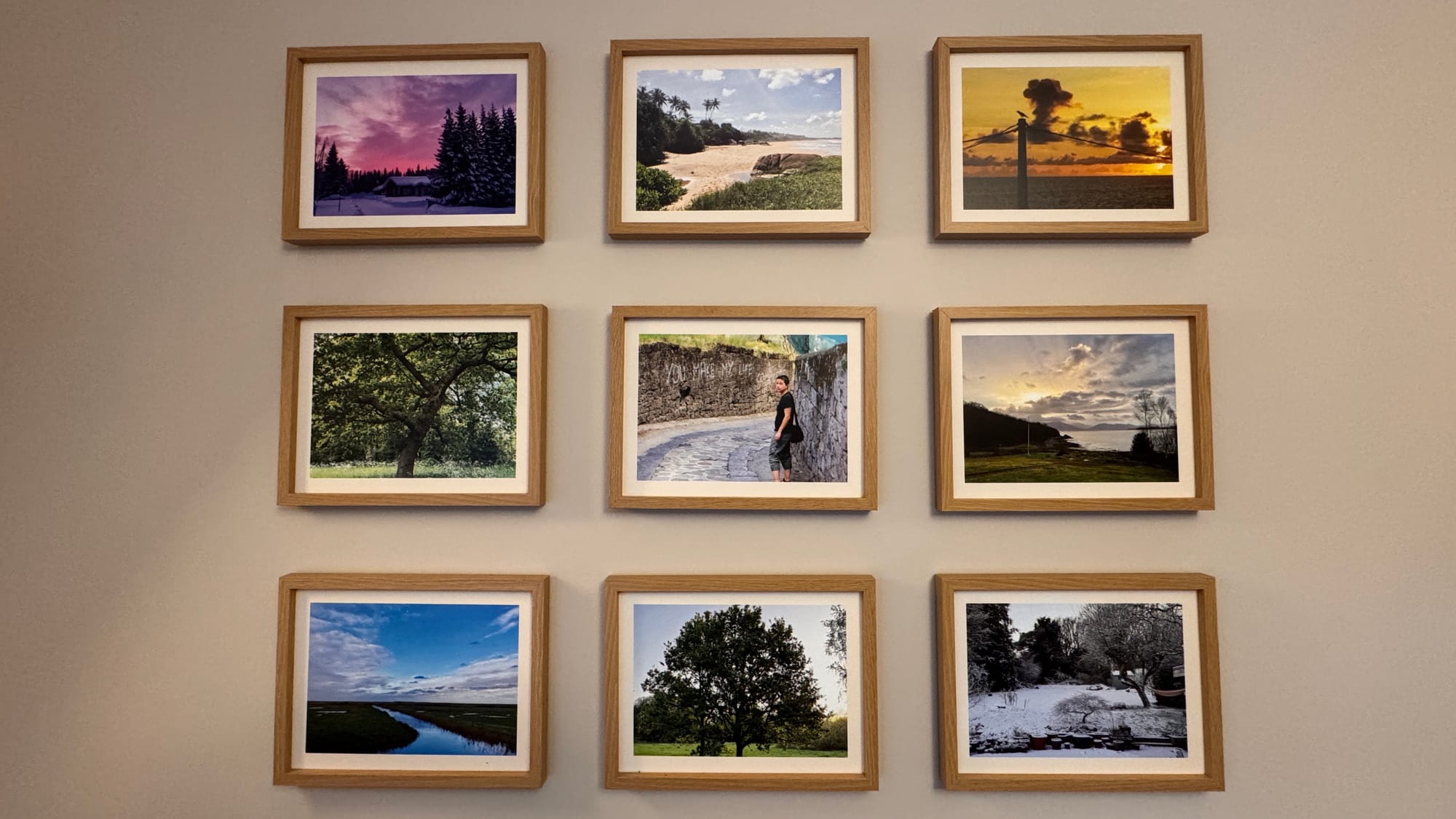
I've started a photo wall in my office. It's right next to my desk so I can dream of big skies and low sunsets.
Wishing you all a wonderful weekend - perhaps with a few pages of a good book if you can ❤️
Lucy
ChangeOut is created by Lucy Caldicott. You can find more about my work at ChangeOut.org. If you’re looking to have a chat about culture, leadership, purpose, equity, or a facilitated team discussion about any of those things, get in touch. You can also find me on Instagram, and LinkedIn.
🎬🎬🎬 YouTube 🎬🎬🎬
If you like what you read and you'd like to show your appreciation in cash, you can do that here. I'd be very grateful!
ChangeOut - Leadership . Purpose . Impact Newsletter
Join the newsletter to receive the latest updates in your inbox.