Taking buzzwords seriously

When I started my YouTube channel in the summer, I looked at what people actually search for to help me come up with topics. Out of the first few videos I made, one video about bullying at work, got roughly three times as many views as the others. When I added real YouTube data to my work background and experience to plan a series of videos to maintain my weekly uploads while we were away in India, the analysis kept nudging me towards one searched-for phrase in particular: Toxic Workplaces.
I hesitated a bit. Words like "toxic" and "burnout" sound a bit click-baity to me and I found myself wondering whether using them sensationalises genuinely difficult work situations. Do the words risk trivialising what are actually really serious professional problems?
However, I knew from my own and friends' very real experiences that there are many people having very difficult times in their workplaces right now so I followed the data and made a series of three videos. You can watch them here, here, and here.
And they, relatively, blew up. I'm no Lucy Beast, but my little channel with its small-but-mighty 66 subscribers, suddenly had many thousands of views.
The view count was surprising enough, but the comments really shook me.
Hundreds of people started sharing their stories. And many of them were detailed, often heartbreaking, accounts of being systematically ground down by their workplaces.
According to data from the Chartered Institute of Personnel and Development a massive 25% of employees say they have experienced bullying in the workplace in the last 12 months and while employers in the UK have a statutory duty to maintain a safe workplace for all their staff, 36% of employees say their complaint of bullying wasn't properly addressed. These stats are born out in the comments to my videos, people from all over the world commenting that they'd experienced inadequate, if not, absent, responses from their employers when they reported bullying or harassment.
"Toxic workplace" might be a buzzy-sounding search term. But it's also a very real description of daily life for a quarter of workers.
If this is something that you're currently experiencing, please know that you're not imagining it. You're not being dramatic. You're experiencing something that the data shows is systemic, widespread, and profoundly damaging. And you're not alone. Making these videos and engaging with the comments have given me so much new impetus to my work so I'll keep talking about these issues and helping organisations to support their staff better.
Useful links 🔗
I always point people to the excellent resources on Acas' web site. Here's their page on Discrimination and Bullying, in case you need it.
What am I reading? 📚
I read The Dip by Seth Godin, which is about learning to "quit the right stuff at the right time". Not easy.
What am I watching? 👀
Very, very sad to hear of Martin Parr's death. His way of seeing the world helped us understand it better.
What am I listening to?👂
Our project to listen our way through the 1001 albums to listen to before you die brought us to the brilliant Untitled (Black Is) by Sault, released a few short weeks after George Floyd's murder in 2020.
Joy-giving things 😍
I bought myself a present (not a Hasselblad 😂) and I was the 114th happy customer of the day.
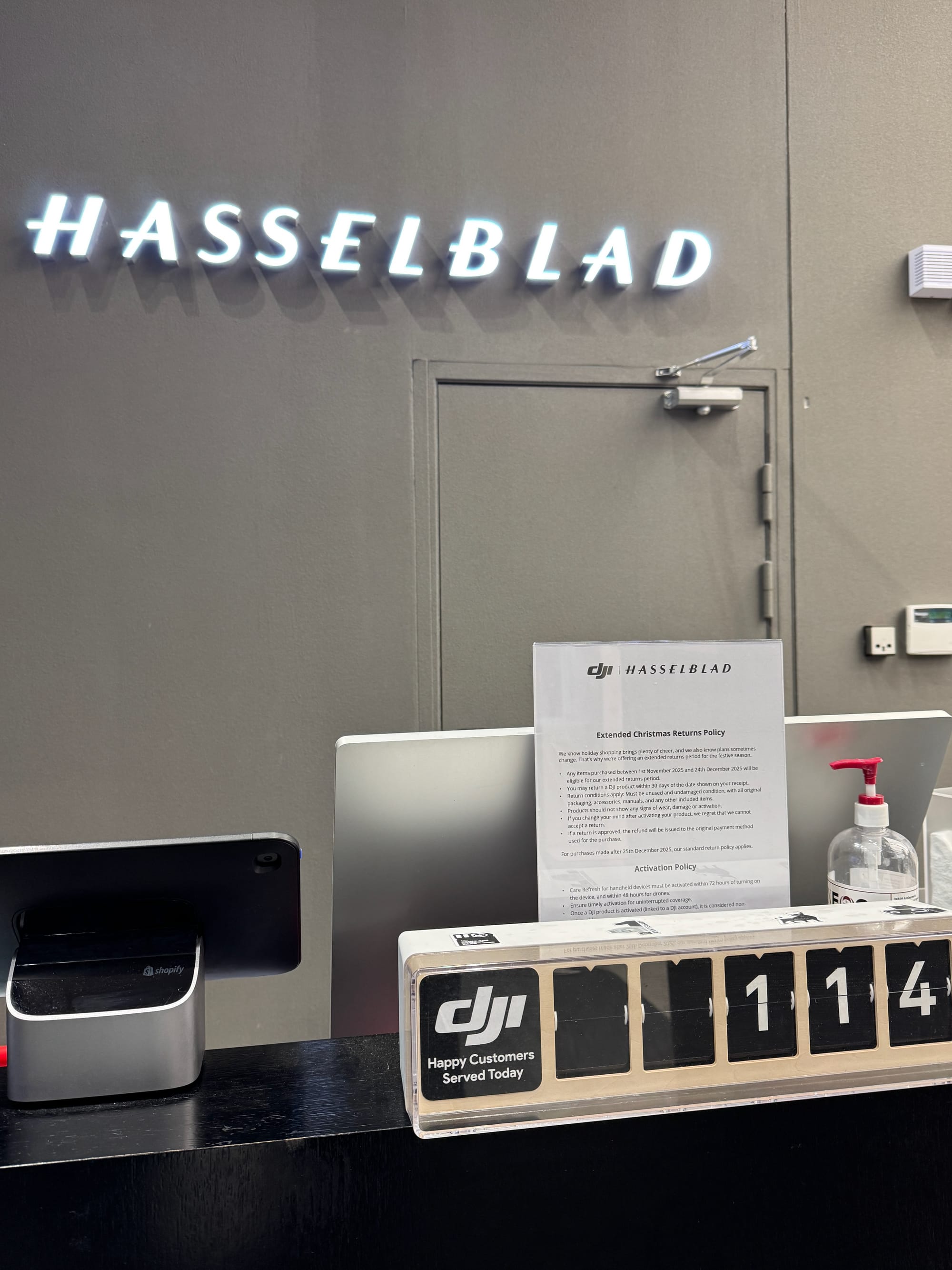
It doesn't take much, honestly.
Have a great weekend
Lucy
ChangeOut is created by Lucy Caldicott. You can find more about my work at ChangeOut.org. If you’re looking to have a chat about culture, leadership, purpose, equity, or a facilitated team discussion about any of those things, get in touch. You can also find me on Bluesky, Instagram, and LinkedIn.
🎬🎬🎬 YouTube 🎬🎬🎬
If you like what you read and you'd like to show your appreciation in cash, you can do that here. I'd be very grateful!

ChangeOut - Leadership . Purpose . Impact Newsletter
Join the newsletter to receive the latest updates in your inbox.