What gets measured, what gets lost

I've been thinking about competency frameworks this week as part of a charity project I'm doing, looking at leadership at practitioner, team leader, and service manager levels. (I'm a laugh at parties, honestly 😀)
It's detailed, careful work, but the most interesting question - I think - is something that lies beneath the frameworks. How do you actually measure whether someone is leading well?
I don't think organisations have really grappled with this. We are quite good at measuring what people deliver. We are much less good at measuring how.
And yet the how is everything.
Here's the idea that's been wandering about in my mind. What if leadership itself were a KPI? Not a competency tucked away in an appraisal form that gets skimmed through in the last ten minutes of a one-to-one. Not a set of values printed on a wall that everyone ignores. But an actual, named, weighted measure of how a person operates: how they build trust, how they respond when things go wrong, how they create conditions where their team can do their best work.
This is not a new idea in theory. But in practice, most organisations in the charity and public sectors are still measuring targets hit, projects delivered, budgets managed, while the culture that either enables or undermines all of that stays invisible on the spreadsheet. A service manager can hit every number and quietly make a team miserable in the process. A team leader can miss a target because she spent three weeks holding together a team in crisis, doing exactly what good leadership looks like. The numbers will not tell you which of those things happened.
McKinsey published a piece last year on exactly this, describing how they built a people leadership measurement system and integrated it into their own internal evaluation processes. The point they make is a simple one: if it isn't measured, it isn't taken seriously. You can read it here.
There is a darker version of this too, and it's the subject of my video this week. I made it in response to requests I kept seeing in the comments from my YouTube viewers: people describing the experience of sitting in a performance review and feeling completely blindsided by feedback they'd never been given before. Concerns that had apparently been building for months, were mentioned for the first time in a formal meeting. They shared the sense that the review wasn't really a review at all, but a process step in a decision that had already been made. I'm calling it the performance review ambush, and if any of that sounds familiar, this one's for you. Watch it here.
What would it look like to take measuring the how of leadership seriously? It means getting specific. Not "demonstrates good communication" but things like does this person make it safe for people to disagree with them? Do the people they manage feel seen? Does this person make sure every point of view is expressed and listened to. When something goes wrong, is their instinct to understand or to deflect? These things can be evidenced. They can be observed, gathered, reflected on. They are not soft. They are, arguably, the hardest and most important things we ask of anyone in a leadership role.
If you are a leader reading this, if how you lead were measured with the same rigour as what you deliver, what would the evidence show?
And if you are working on performance frameworks in your organisation right now, please don't leave leadership as the bonus round. Put it at the centre, where it belongs.
Day of the Week 📆
Eid Mubarak 🌙
What am I reading? 📚
Marsha: The Joy and Defiance of Marsha P. Johnson by Tourmaline. Marsha's life and contribution to LGBTQ+ rights were extraordinary, and her history deserves to be known properly. This book only came out last year, over 30 years since her death, but I'm very glad it exists.
What am I watching? 👀
Louis Theroux's Inside the Manosphere is depressing. I hope men are having these conversations with other men. That's where the change has to come from.
What am I listening to?👂
Richard Hawley's The Ocean for a bit of calm.
Joy-giving things 😍
Last week's newsletter sparked something lovely. I wrote about hesitating to claim my identity as a coach, and a friend got in touch to say she'd felt exactly that hesitation about calling herself an artist. She needn't have hesitated. Go and have a look at her beautiful work at Jane Jones Arts and see for yourself.
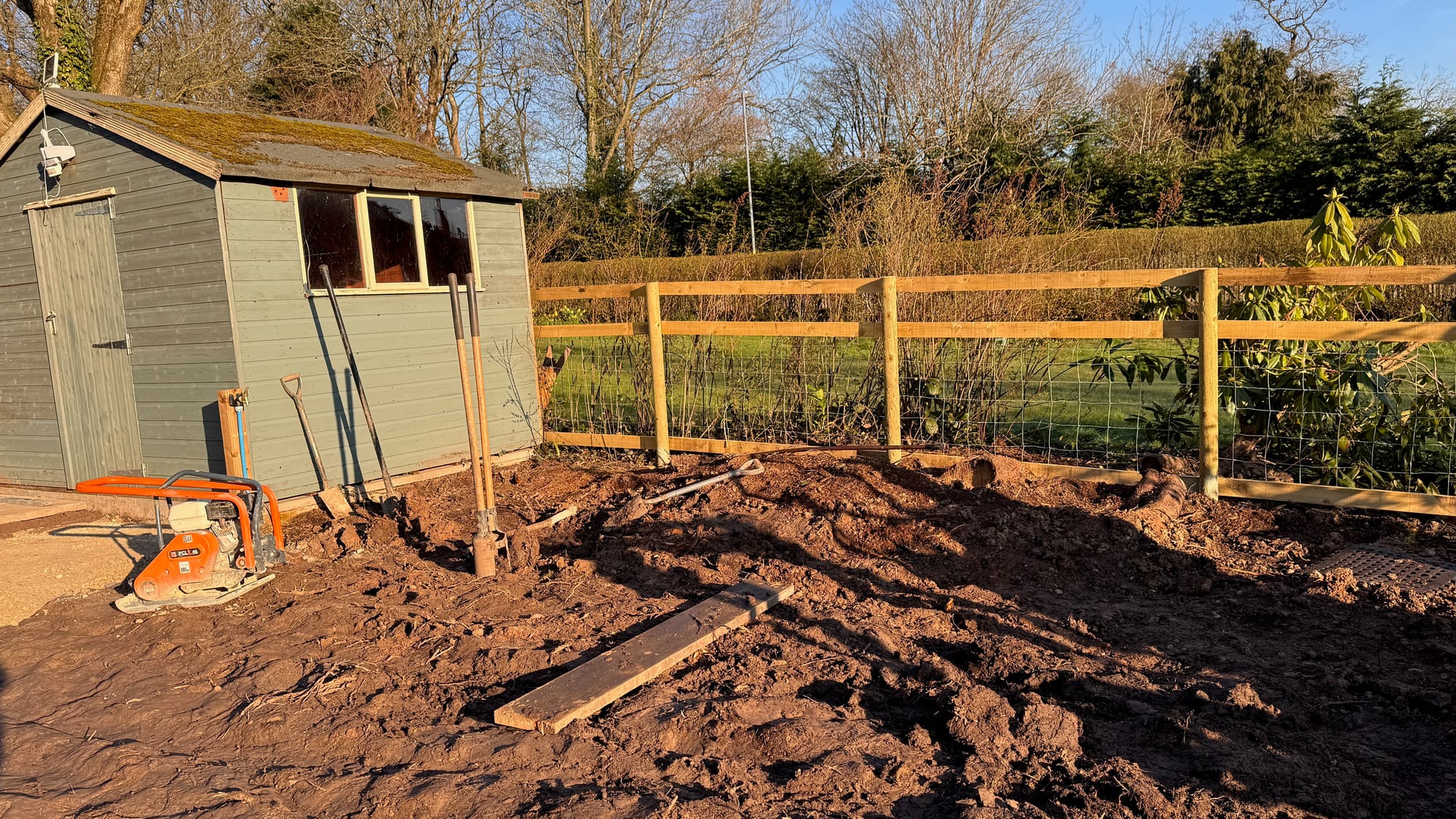
We're having some raised beds built in the garden. So excited!
Have a wonderful weekend, everyone.
Lucy
ChangeOut is created by Lucy Caldicott. You can find more about my work at ChangeOut.org.
If you're a purpose-driven professional wondering whether coaching might help you think through where you are and where you're heading, I'd love to hear from you. I'm opening up coaching spaces later in 2026. Express your interest here.
You can also find me on Instagram, and LinkedIn.
🎬🎬🎬 YouTube 🎬🎬🎬
If you like what you read and you'd like to show your appreciation in cash, you can do that here. I'd be very grateful!

ChangeOut - Leadership . Purpose . Impact Newsletter
Join the newsletter to receive the latest updates in your inbox.