She wanted a template
The mechanics of documenting harm at work are genuinely simple. The hard part is trusting that what you've noticed is real enough to write down. This week's newsletter, and a template if you need one.

I did my second YouTube livestream on Sunday. I'm getting a bit more used to it now. More people turned up to this one and even more people have watched it since. I think it might become a monthly thing.
One of the viewers asked about how to document difficult things she's got going on with a colleague. Specifically, she wondered if there is a format she should use. I told her there wasn't, not really. You need dates, times, who was there, and what happened, like a diary. I suggested that she write it down as it occurs, factually, trying to leave out feelings and opinions, so that she's got an accurate record, made as soon as you can. She heard that and asked again whether I had a template.
I've been mulling that over ever since. There's nothing wrong with asking and I started these livestreams to hear feedback directly from my audience. I started to think that there's something else going on, that the need for the security that a template could provide reveals more about how frightening these difficult situations actually are, and how vulnerable they make you feel.
When something hard is happening to you at work, a colleague talking over you, a manager who's crossed a line, a pattern of behaviour you sense but can't yet prove, it can be tricky to know what to write down. It's so tempting to explain it away rather than admit that what you're noticing is real. A template provides some reassurance that you're not alone, other people have needed this too.
I think organisations underestimate how much this matters. Teams spend a lot of effort and money developing policies that are technically and legally comprehensive but practically useless to someone at 11pm trying to work out if what happened earlier that day in a meeting was something to worry about or not. The tool people need in that moment isn't a twenty-page policy document. It's something simple and small to reach for quickly, before the self-doubt creeps in.
So I've put one together. It's just dates, times, who was there, and what happened, and the impact of those events on you and your work, laid out so you don't have to think about the format when you're already having to think about everything else.
If you're a leader reading this, ask yourself whether the people in your organisation would know where to find something like this if they needed it tonight. And if you're the person who might need it, I hope you never do. But it's there.
What am I reading? 📚
The Names is an excellent debut novel by Florence Knapp. Are our destinies determined by our names? Was Keith Weed always destined to become the President of the Royal Horticultural Society?
What am I watching? 👀
I really enjoy watching Linh's videos. I was watching this one and then I heard about the terrible earthquake in Japan. So much grief and pain and fear everywhere. Linh's videos are a tonic.
What am I listening to?👂
In the latest instalment of keeping up with new music, I've been enjoying Olivia Rodrigo's latest album recently.
Joy-giving things 😍
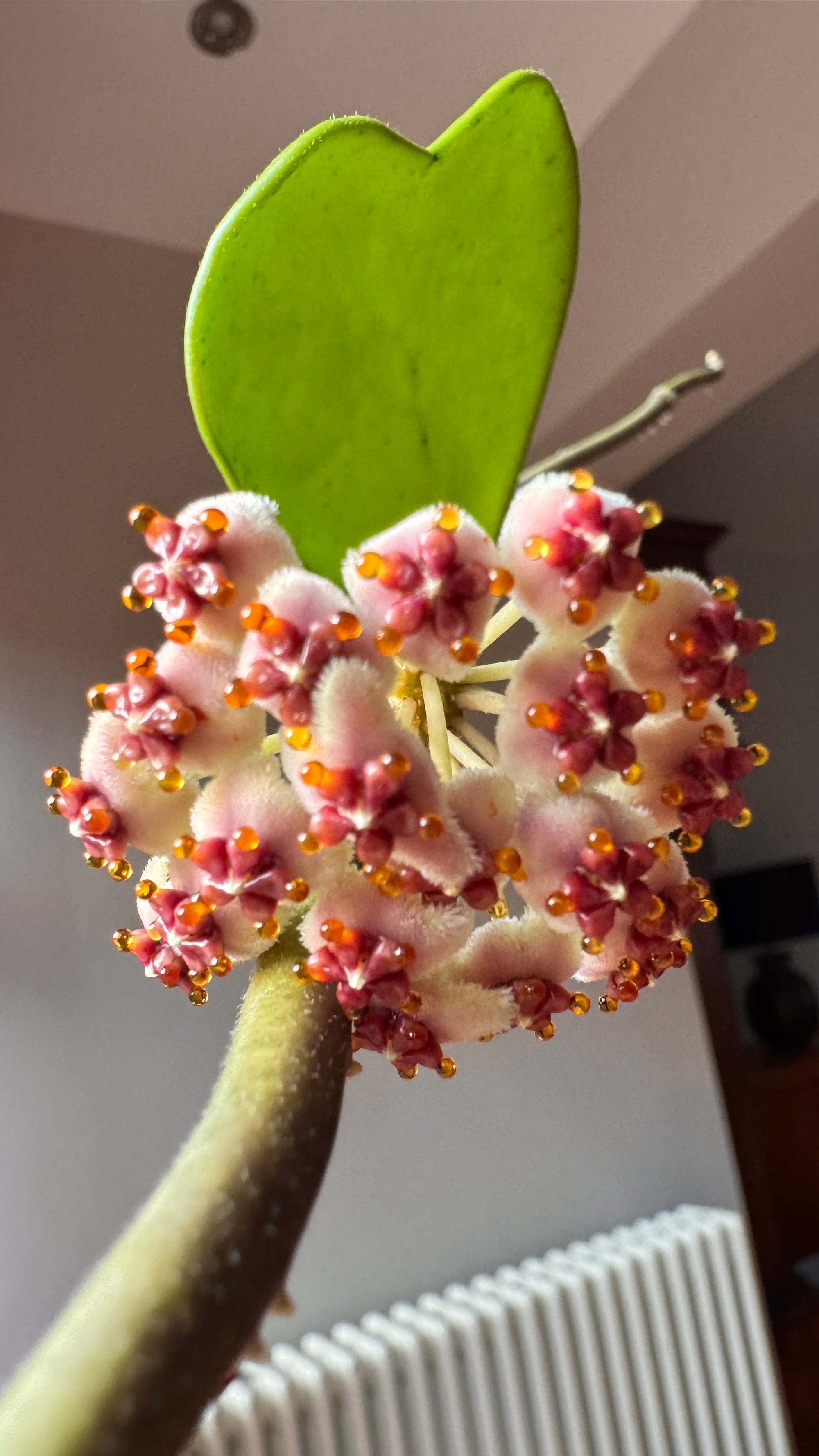
I think I told you about the heart in a pot I bought from M&S as a lazy attempt at romance some years ago. It eventually grew into a proper plant. And now it's flowered! Those are little beads of sap.
Wishing you all a very happy weekend.
Lucy
I've been writing regular blogs since 2020. If you want to go back and look, they are all here.
If you're wondering whether coaching might help you think through where you are and where you're going next, I'd love to hear from you.
You can also find me on Instagram, and LinkedIn.
🎬🎬🎬 YouTube 🎬🎬🎬
If you like what you read and you'd like to show your appreciation in cash, you can do that here. I'd be very grateful!

ChangeOut - Leadership . Purpose . Impact Newsletter
Join the newsletter to receive the latest updates in your inbox.