The wrong end of the problem
The WHO recognises burnout as a result of workplace stress, not a failing in the individual. Yet organisations focus on fixing individual staff members rather than tackling the root causes.

When the World Health Organisation added burnout to its international classification in 2019, it was careful with the wording.
Burn-out is a syndrome conceptualised as resulting from chronic workplace stress that has not been successfully managed. It is characterised by three dimensions: feelings of energy depletion or exhaustion; increased mental distance from one’s job, or feelings of negativism or cynicism related to one's job; and reduced professional efficacy.
It results from chronic workplace stress that has not been successfully managed. It is not stress that an individual failed to manage.
There's a whole industry around helping individuals recover from something organisations are producing, and not dealing with properly. Resilience training for people whose workload is the actual problem. Wellbeing apps in organisations with high turnover and un-filled vacancies. Mindfulness sessions at lunchtime, in places where lunchtime is a Tesco meal deal at your desk.
I've been making a series of videos on burnout as it's been a theme that strikes a chord with many viewers. Last week's video aimed to help people recognise the signs of burnout in themselves. I shared five signs that people tend to explain away: exhaustion that sleep doesn't fix, cynicism about work you used to care about, a sense that you're not performing at your best, a continual feeling of flatness, and the dread that's crept backwards to occupy the whole weekend.
Many viewers identified strongly with all these signs. They shared vulnerable stories about working seven days a week, losing their weekends, and the crushing weight of a feeling that even formerly simple tasks now feel impossible.
A common theme was a sense of permanent exhaustion and growing cynicism toward their current roles. Commenters described the physical toll of not being able to "switch off" even while sleeping, and how toxic workplace dynamics, such as backbiting and poor communication, are pushing them toward retirement or quitting.
I do think it's important to give individuals the tools to recognise what's happening to them. Nobody else is likely to do that for you, and recognition is what makes moving towards recovery possible.
But I think it's also important that individuals feel freed from shouldering the full weight of a situation that they did not create alone.
I've worked with senior teams who genuinely wanted to do something about staff burnout and reached first for what they could offer the individual.
I completely understand why, it's cheaper and faster and when a problem is urgent, you need a quick fix. But the long-term problems will still remain. Without looking honestly at how the work has been structured and how the workload is managed, fixing the individual will never solve the whole problem.
What am I reading? 📚
It seems I've been reading 2026's most divisive book! I almost hesitate to mention it but Yesteryear by Caro Claire Burke is the book in question. If you read it, let me know what you think.
What am I watching? 👀
We were treated to a 95% of a solar eclipse this week and, astonishingly, the sun wasn't obscured by clouds. Even more astonishingly, Clare managed to find our eclipse glasses from 2011. In an envelope marked "Do Not throw Away"!
Joy-giving things 😍
I finally went to the Black Country Living Museum. It really is worth a visit.
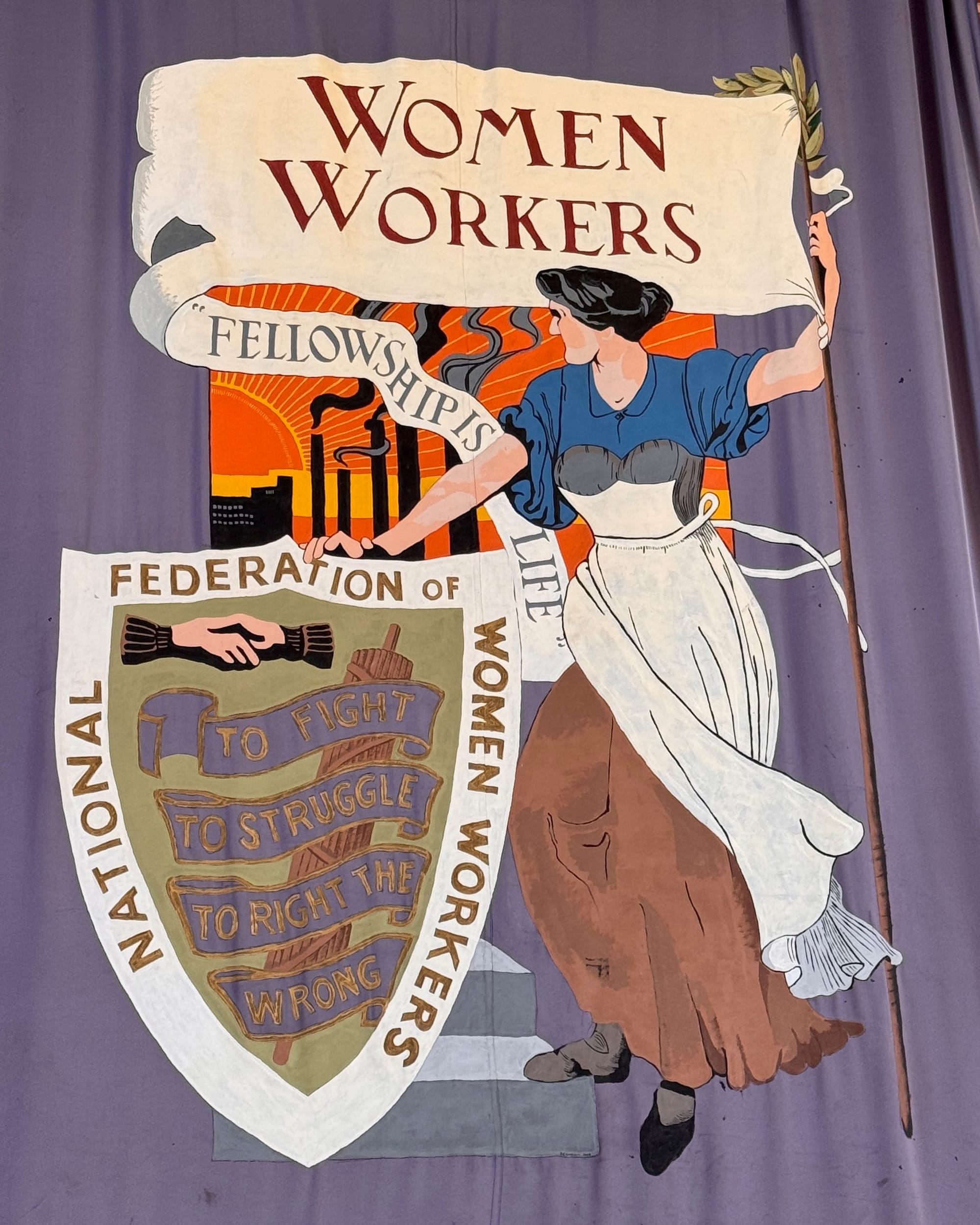
Have a great weekend.
Lucy
I've been writing regular blogs since 2020. If you want to have a look at my back catalogue, they are all here.
If you're wondering whether coaching might help you think through where you are and where you're going next, I'd love to hear from you.
You can also find me on Instagram, and LinkedIn.
🎬🎬🎬 YouTube 🎬🎬🎬
If you like what you read and you'd like to show your appreciation in cash, you can do that here. I'd be very grateful!

ChangeOut - Leadership . Purpose . Impact Newsletter
Join the newsletter to receive the latest updates in your inbox.